Circular Economy Fashion: The Future Of Sustainable Clothing
Take a look at your closet. You likely have a pile of shirts you haven't touched in a year or a pair of jeans with a tiny tear that you're planning to throw away. You might be missing out on a massive shift in how we own and wear clothes—one that actually puts money back in your pocket and clears out the clutter. This isn't just about buying green; it's about a system where your clothes never truly become trash.
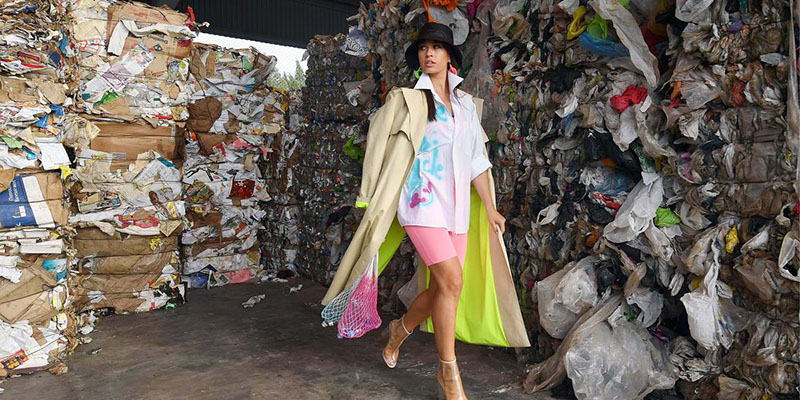
While most people are stuck in the cycle of buying cheap and tossing fast, a few smart shoppers are already using circular fashion to build high-quality wardrobes that last decades. By understanding how this new loop works, you can stop wasting money on disposable fabric and start owning pieces that hold their value.
What Circular Fashion Actually Means For Your Daily Life
At its simplest, circular economy fashion is a move away from the take-make-waste model. In the old way, a brand makes a shirt, you buy it, wear it five times, and it ends up in a landfill. In a circular-economy fashion, that shirt is designed from day one to be reused, repaired, or turned into something else.
This isn't just a high-level theory for big corporations. For you, it means three practical things:
1. Resale Value: Buying clothes that are sturdy enough to sell on apps like Poshmark or Depop once you're bored with them.
2. Repairability: Choosing items that can be patched or sewn rather than glued-together shoes that fall apart in the rain.
3. Rental and Swapping: Accessing a $500 jacket for a weekend for $50, then sending it back to be cleaned and worn by the next person.
Instead of owning 100 mediocre items, the fashion circular approach encourages owning 20 great ones that stay in the loop. This shift saves you the headache of constant shopping and the guilt of contributing to the growing mountains of textile waste in places like the Atacama Desert.
How To Spot Clothes Designed For a Circular Loop
If you want to support a circular economy fashion system, you have to change what you look for on the clothing tag. Most fast-fashion items are linear—they are made of mixed fibers that are impossible to separate later.
1. Look For Monomaterials
When a shirt is 100% cotton or 100% wool, it is easy to recycle. When it is a 60/40 blend of cotton and polyester, it becomes a nightmare for recycling machines. The plastic (polyester) is woven so tightly with the natural fiber (cotton) that they can't be pulled apart. To keep things fashion circular, stick to single-fiber garments. They feel better on the skin and have a clear path back to being a new garment later.
2. Check The Hardware
Are the buttons sewn on, or are they metal rivets hammered through the fabric? Can the zipper be replaced? Brands that care about circular fashion use screw-on buttons or detachable hardware. This allows the fabric to be shredded and recycled at the end of its life without metal bits breaking the machinery.
3. Avoid Hidden Plastics
Many sustainable brands use recycled polyester (made from plastic bottles). While this sounds good, it actually takes a bottle that could have been recycled into another bottle and turns it into a shirt that will eventually end up in a landfill. True circular economy fashion focuses on keeping textiles as textiles. Look for Post-consumer recycled cotton or Refibra (a mix of wood pulp and scrap cotton).
Brands That Are Actually Doing The Work
It is easy for a company to put a green leaf on a tag and call it a day. However, a few companies are changing their entire business models to align with the fashion circular economy. These examples show how the industry is moving from selling stuff to selling service.
Mud Jeans: The Lease-A-Jean Model
Based in the Netherlands, Mud Jeans is a circular fashion leader. Instead of buying jeans, you can lease them for a small monthly fee. When the jeans wear out, or you want a new style, you send them back. They repair and sell them as vintage, or if they are too far gone, they shred them to make new denim. You never own the waste; the brand takes responsibility for the material.
Patagonia: Worn Wear
Patagonia has been preaching the message of the fashion circular for years. Their Worn Wear program is a massive success. They buy back your old Patagonia gear, repair it, and sell it at a discount. This keeps the gear out of the trash and gives people a cheaper entry point into high-quality outdoor clothing. They even provide DIY repair guides so you can fix your own zippers or holes.
Eileen Fisher: Renew
This brand focuses on high-end women's wear. They have a Take Back program that accepts any of their old clothes, regardless of condition. They have a dedicated factory that cleans the good pieces for resale and uses felted techniques to turn the damaged pieces into art, pillows, or new felted vests. This is a perfect example of circular economy fashion in the luxury space.
The Practical Guide To Keeping Your Clothes In The Loop
You don't need to buy new eco-friendly clothes to participate in circularity. In fact, the most circular thing you can do is use what you already have. Here is how to manage your wardrobe like a pro.
Better Washing Habits
The washing machine is where most clothes die. The heat and friction break down fibers, leading to thinning fabric and holes.
- Wash Cold: It prevents shrinking and saves energy.
- Air Dry: Dryers are the enemy of fashion circular longevity. The lint you find in the trap? That's your clothes falling apart.
- Spot Clean: If you spilled a drop of coffee on your jeans, you don't need to wash the whole pair. Use a damp cloth and save the water.
The Art Of The Visible Mend
In a fashion circular economy, a patch isn't a sign of being poor; it's a badge of honor. Sashiko is a Japanese stitching style that uses bright thread to repair holes in denim. It makes the item unique and extends its life by years. If you can't sew, find a local tailor. Spending $15 to fix a $100 pair of pants is a much better investment than buying a new $40 pair that will rip in three months.
Smart Disposal
When a piece of clothing is truly dead—stained, ripped, and unwearable—don't just throw it in the kitchen trash.
- Textile Recycling: Many cities now have bins specifically for rags. These are shredded for insulation or car seat stuffing.
- Composting: If your garment is 100% natural fiber (like hemp or organic cotton) and you remove the polyester thread and buttons, it can actually be composted in some industrial facilities.
Why New Isn't Always Better: The Resale Market
The rise of the fashion circular economy has made the secondhand market explode. Buying used used to be about saving money; now it's about finding better quality.
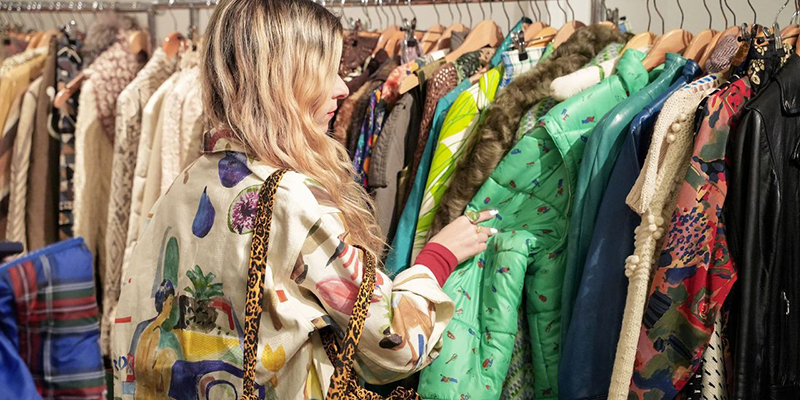
If you go to a thrift store or use an app like Vinted, you can find vintage items from 20 or 30 years ago. These clothes were often made with thicker fabrics and better stitching because they weren't part of the fast-fashion race. By buying these, you are directly supporting circular fashion by preventing new resources from being extracted from the ground.
When you shop for used items, look for:
- Made in USA or Made in Europe tags: These often indicate higher construction standards from older eras.
- Heavyweight Denim: If the jeans feel like cardboard, they are likely 100% cotton and will last another decade.
- Lined Jackets: A jacket with a separate lining is easier to repair than one with fused layers.
The Tech Behind The Loop: Chemical Vs. Mechanical Recycling
To truly achieve a fashion circular economy, we need better technology. Currently, most recycling is mechanical—we shred the fabric into short fibers. The problem is that short fibers make weak yarn. This is why recycled cotton shirts often feel a bit rough or don't last as long.
The next big thing in circular fashion is chemical recycling. Companies are now finding ways to dissolve old polyester or cotton into a liquid state and then extrude it into brand-new, long-strand fibers. This means a shirt could be recycled 100 times without losing any quality. While this tech is still expensive, it is the key to making the fashion circular model work at a global scale.
Conclusion
Start by looking at your tags, washing your favorites with care, and choosing brands that offer repair services. Every time you choose to fix a button instead of buying a new shirt, you are helping build a system that values quality over quantity. It's a smarter way to dress that respects both your wallet and the world around you.
Related Posts
Mastering Men Casual Outfits Your Ultimate Guide to Stylish Everyday Looks
Navigating Office Casual Attire for Men Your Essential Guide to Professional Comfort
Is Resale Fashion Better Than Fast Fashion? Full Comparison

Future Trends In Sustainable Luxury: Insights For Brands
Why “Brut” Unwashed Denim Is the Secret to a Lifetime Pair of Jeans
